
filmmakers
Lee Jay Bamberry — Director
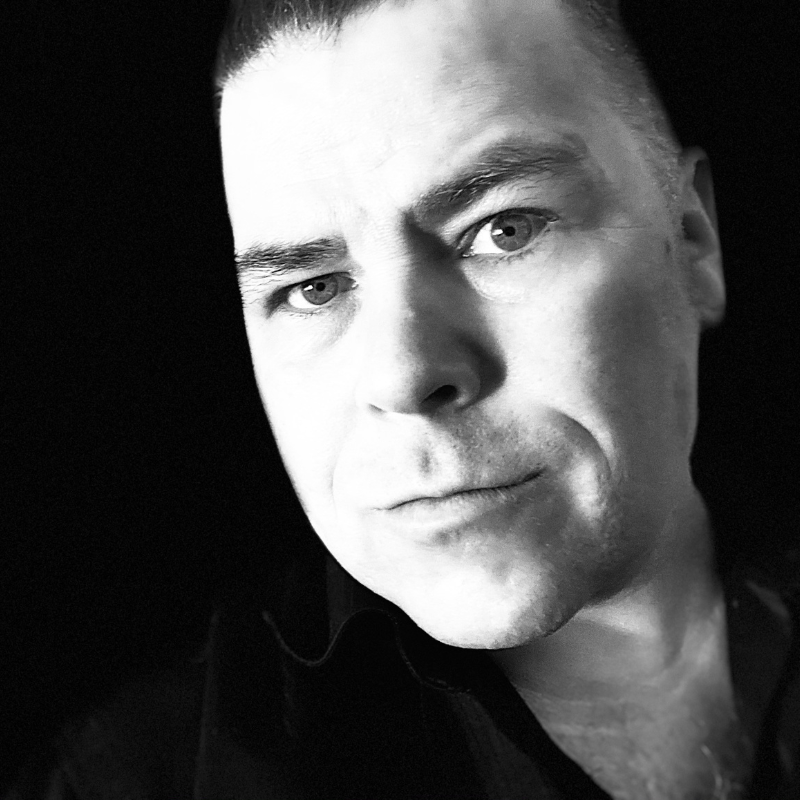
Artistic Director | Writer | Actor
Eskɨnuopitijk First Nation
Lee Jay Bamberry is an Artistic Director, writer, and actor whose work spans film, television, theatre, and community-based storytelling. With over twenty-five years of experience, his practice is grounded in the belief that story is both an artistic act and a responsibility—one that carries memory, truth, and the potential for healing.
He gained national recognition through his four-season role on CBC’s Da Vinci’s Inquest and has contributed to major international film productions as both an actor and stunt performer. Over the past decade, Lee Jay has written, directed, and toured original works confronting urgent social realities, including addiction, systemic abuse, abduction, and mental health.
His current production, COM·PLIC·IT, offers a powerful examination of Canada’s residential school legacy, continuing his commitment to Indigenous storytelling, accountability, and truth-telling.
At the heart of his work is intergenerational connection. Creating alongside his wife and their six children, Lee Jay centers mentorship, collaboration, and community through his YOUTHEATRE initiative—cultivating spaces where authentic voices emerge and stories are carried forward with care.
Pekultn Siyam (Chief Dale Harry) — Producer
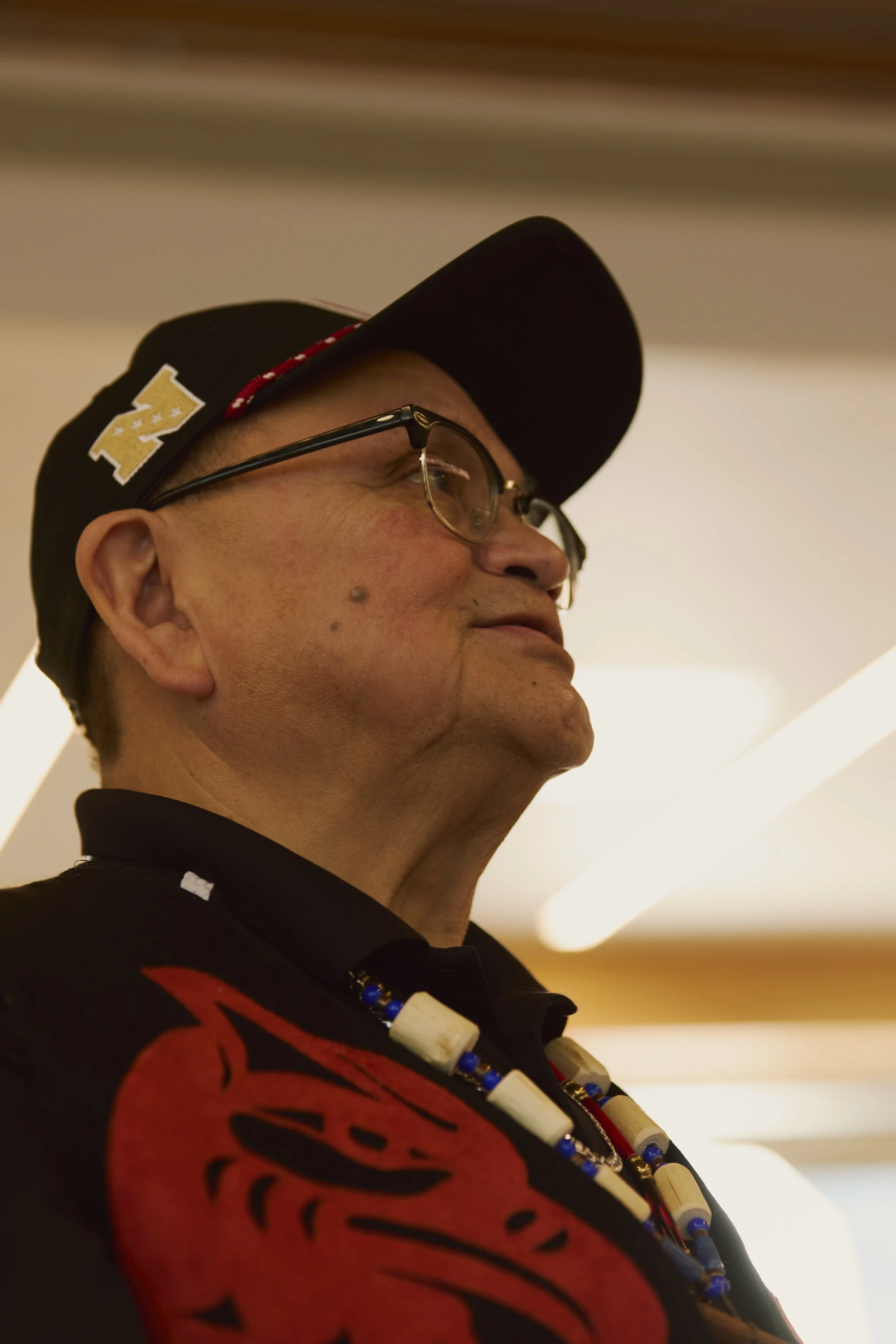
Hereditary Chief, Sḵwx̱wú7mesh Úxwumixw
Pekultn Siyam is a hereditary Chief, producer, and advocate of the Sḵwx̱wú7mesh Úxwumixw. Born and raised in Squamish and living on the Stawamus Reserve, he proudly carries the chieftainship name passed down from his late father, Ernie Harry, Hereditary Chief of Seymour Creek.
For Pekultn Siyam, leadership is rooted in responsibility—to land, people, and future generations. His vision has always been clear: to be a voice for his Nation and to help create lasting prosperity through thoughtful, values-driven economic development.
A former member of the Sḵwx̱wú7mesh Úxwumixw Council for twelve years, he worked to build capacity within the Nation and to advocate for a sustainable future grounded in stewardship and accountability. Protecting the land and unlocking its value are not opposing forces, but shared responsibilities—held together through respect for history, culture, and Elders.
Through storytelling, leadership, and action, Dale continues to walk a path toward collective well-being for present and future generations, including his grandchildren, Paisley, Dennis and Dale Junior, and those yet to come.
Alfonso Quijada — Senior Producer
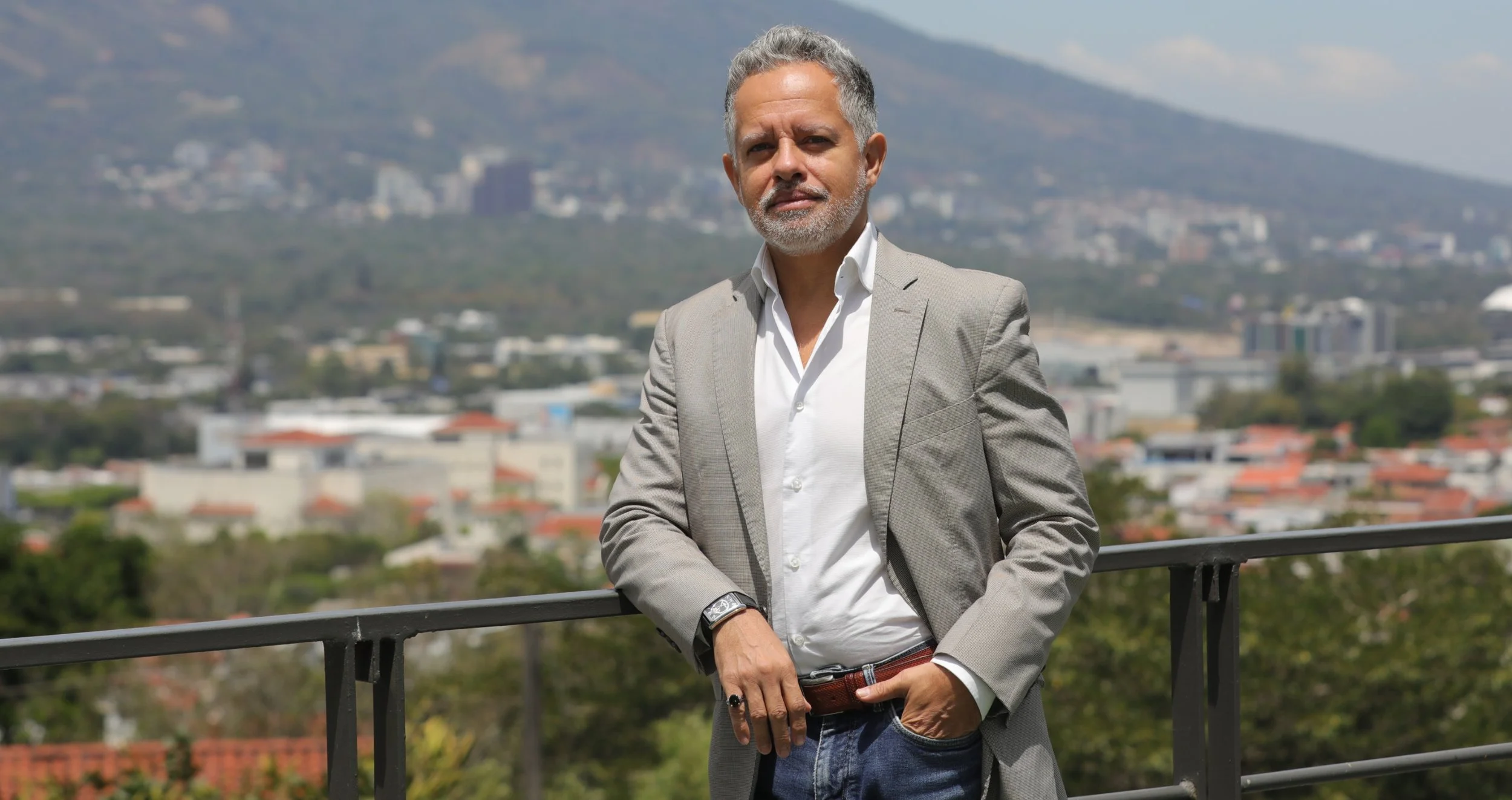
Originally from El Salvador and now based in Vancouver, Alfonso Quijada is an award-winning filmmaker, producer, writer, and actor whose work spans more than three decades across film and television in the Americas.
His films have been officially selected at over 65 international festivals, including the American Film Institute Silver, Chicago International Film Festival, Cartagena International Film Festival, New York Latino Film Festival, Havana’s Festival of New Latin American Cinema, and Whistler Film Festival, among others.
Alfonso has produced eight feature films, including El Suspiro del Silencio, which confronts the urgent realities of violence against women, crafting a narrative of survival, resilience, and truth. His other productions include Fabula (Havana, Cuba), Black Box (Los Angeles and Vancouver), Malacrianza (The Crow’s Nest) (El Salvador), and La Palabra de Pablo (Pablo’s Word), which reached international audiences through HBO in the U.S. and Sony Pictures in Latin America.
He is also the writer, director, and producer of Tomorrow Before After (Mañana Antes Después), a bilingual post-apocalyptic feature that earned critical recognition at the Cartagena International Film Festival and the Icaro International Film Festival of Central America.
Through his production company, Sivela Pictures, Alfonso continues to develop projects that challenge audiences while illuminating untold stories. Across his work, he seeks to amplify voices that demand attention and to create cinema that resonates with both the heart and the conscience.
Daryl Bennett — Editor & Composer
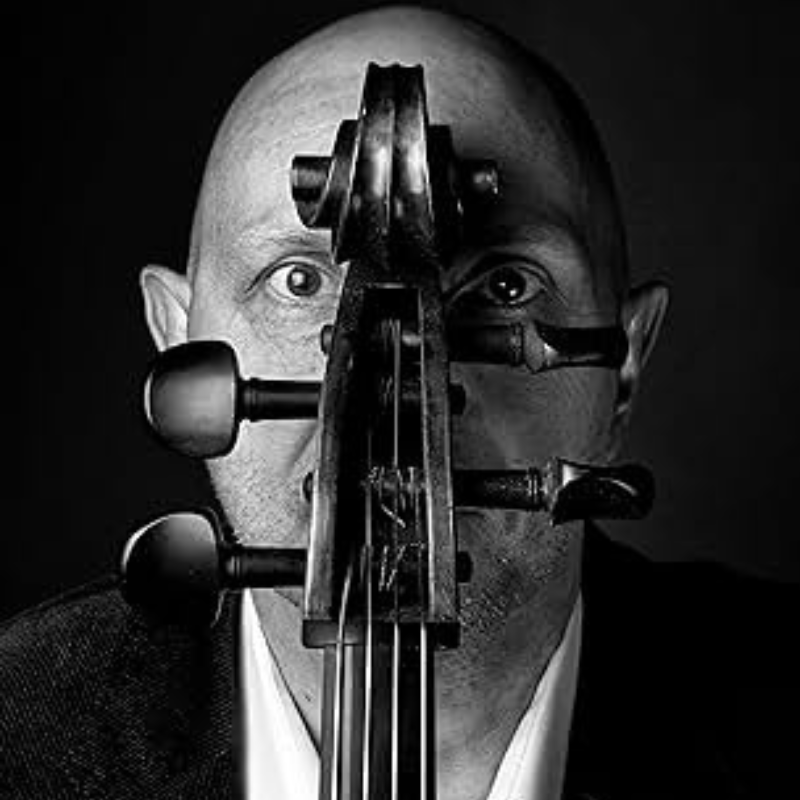
Daryl Bennett is an award-winning composer, editor, and sound designer whose career spans over 35 years in film, television, and documentary production. His work bridges artistry and storytelling, crafting music and soundscapes that deepen narrative impact and connect audiences to human experience.
His compositions have earned international recognition, including eight Leo Awards, two SOCAN Awards, nominations for two GRAMMYs, a Gemini, a Canadian Screen Award, and a Genie. In 2022, he received the Queen Elizabeth Platinum Jubilee Award for Achievement in the Arts and was a contender for an Oscar nomination for the 2025 Academy Awards.
His first documentary as an editor, The Exhibition—about the missing women in the Robert Pickton case—won an International Emmy Award. Notable projects include In the Spirit of Reconciliation, The Connected Universe (featuring Sir Patrick Stewart), No Way Out, Legends of Hockey, BISPING, The Murders, I AM MLK Jr., IRL the Series, and Nash – The Documentary.
Across hundreds of hours of feature films, documentaries, and broadcast content, Daryl has built a reputation for crafting sound that amplifies both story and emotion. A devoted family man, he lives in Langley and cherishes time with his grandchildren. His work continues to blend artistry with social consciousness, honoring the stories that must be heard.
Laura Guzman — Producer
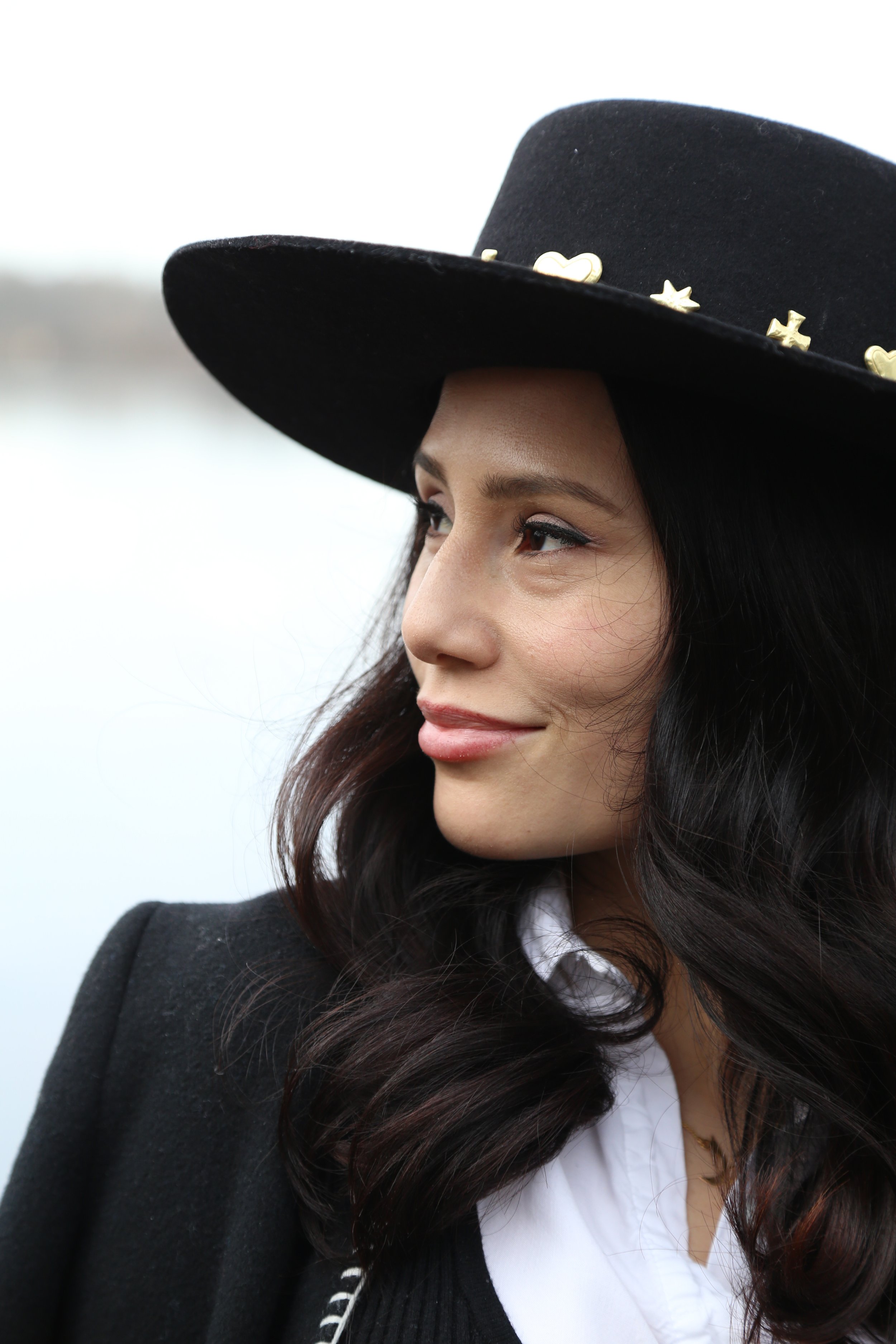
Laura Guzman is a producer and strategic communications leader with over a decade of experience supporting Indigenous communities, organizations, and purpose-driven initiatives through storytelling. Originally from Colombia and of Mestiza heritage, Laura has lived in Canada for over twenty years, bringing a cross-cultural lens to every project she leads.
She approaches storytelling with responsibility, ensuring that stories are told with care, context, and long-term intention. Her work spans both the for-profit and non-profit sectors, launching public relations and corporate social responsibility campaigns that create measurable change.
Over the past five years, Laura has helped invest over $10 million back into communities, including $1 million toward Indigenous education. Through her work, she strives to ensure that stories from historically marginalized communities are shared widely—helping audiences see a more complete and honest picture of history.
Nate Dickson — Cinematographer & Storyteller
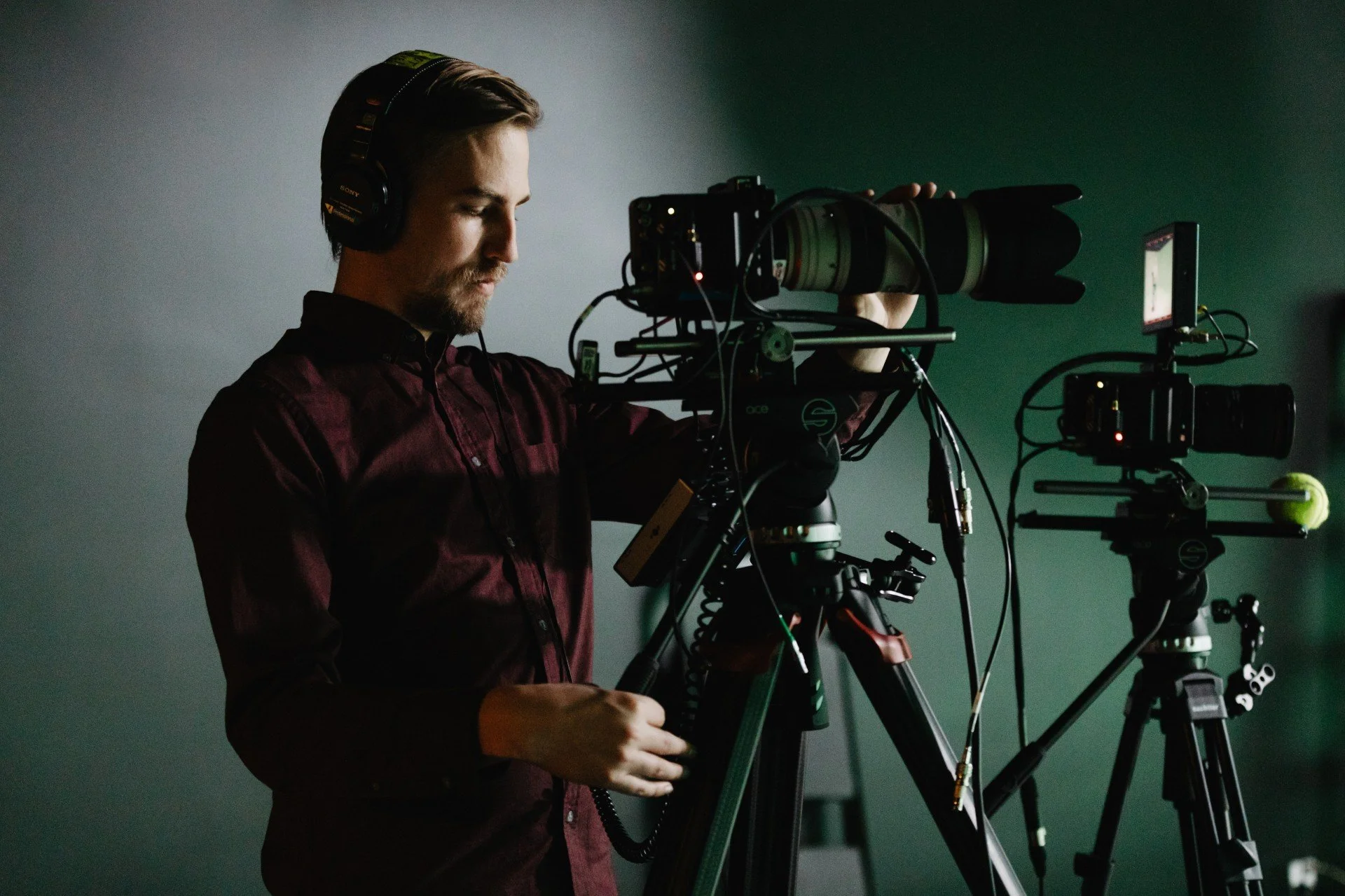
Kwantlen First Nation (Qwó:ltl’el)
Nate Dickson is a filmmaker, storyteller, and cultural documentarian dedicated to capturing and preserving the stories, languages, and traditions of Indigenous communities across Turtle Island.
His work spans documentary, short films, and multimedia projects, with a focus on repatriation, cultural revitalization, and language preservation. Through his lens, Nate illuminates lived experience, honouring both history and contemporary life.
Combining technical expertise with cultural insight, he ensures each project is both visually compelling and ethically grounded. His films serve as tools for education, advocacy, and the safeguarding of Indigenous languages and practices.
Nate lives in British Columbia with his family and is a proud father of four children. His work continues to bridge generations, using storytelling to protect heritage, foster understanding, and create meaningful dialogue across communities.
Jordan RENDLE— Cinematography
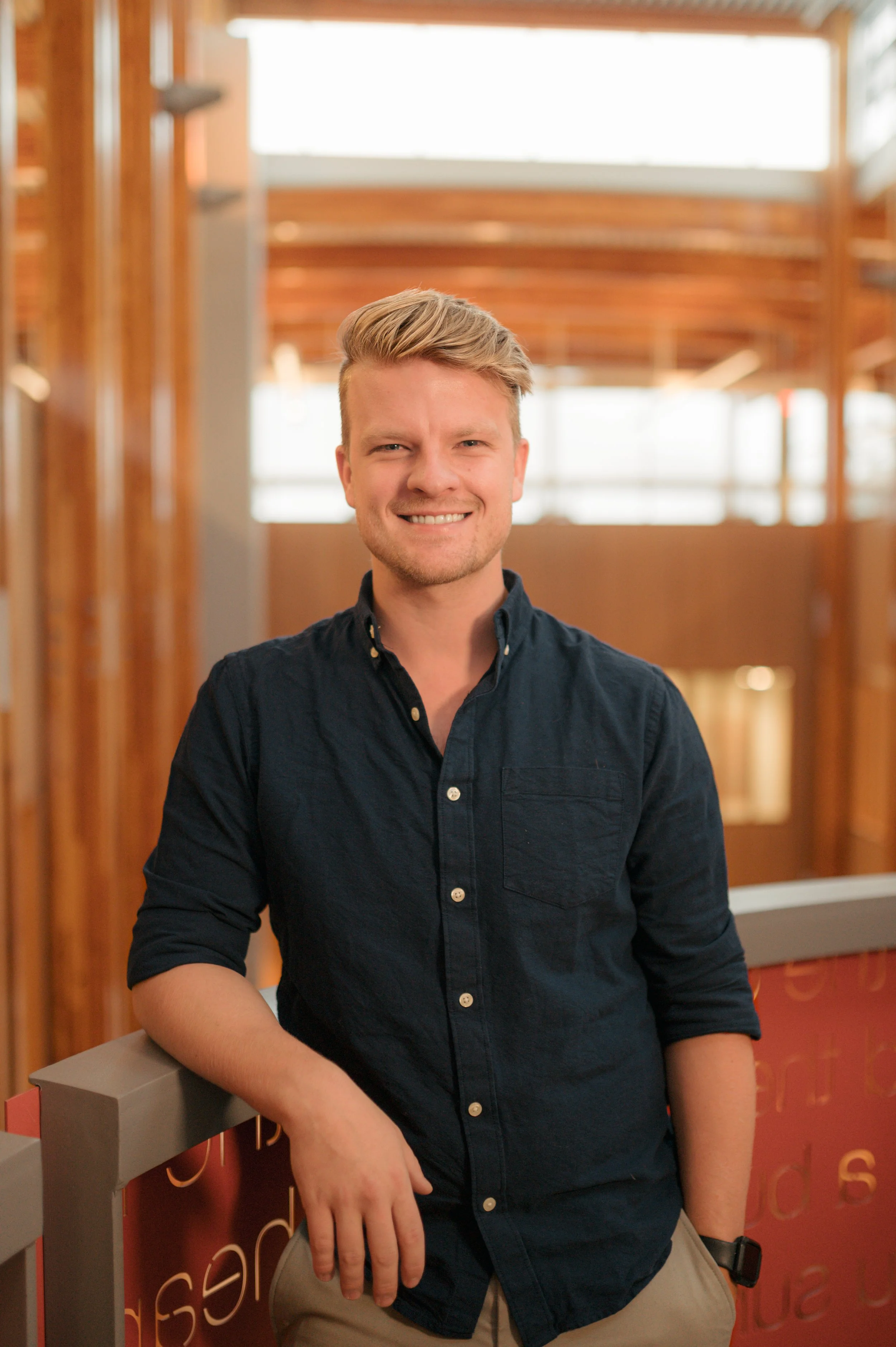
Jordan Rendle is a documentary filmmaker and visual storyteller based in British Columbia, focused on people-centred stories that explore identity, place, and lived experience. Having grown up in Latin America and travelled widely across Canada and beyond, his work is shaped by moving between cultures, languages, and ways of seeing.
Jordan approaches each project with care and curiosity, creating space for stories to be shared by those who live them. His practice is rooted in respect, collaboration, and an attentiveness to both people and place.
In this work, Jordan is guided by a commitment to stories rooted in the voices and perspectives of the Sḵwx̱wú7mesh Úxwumixw (Squamish Nation). Jordan lives in Chilliwack with his wife and is a proud father to a young daughter, whose presence continues to shape how he sees the world and the stories he chooses to tell.
Jenn Bamberry — Assistant Director and Video Logger
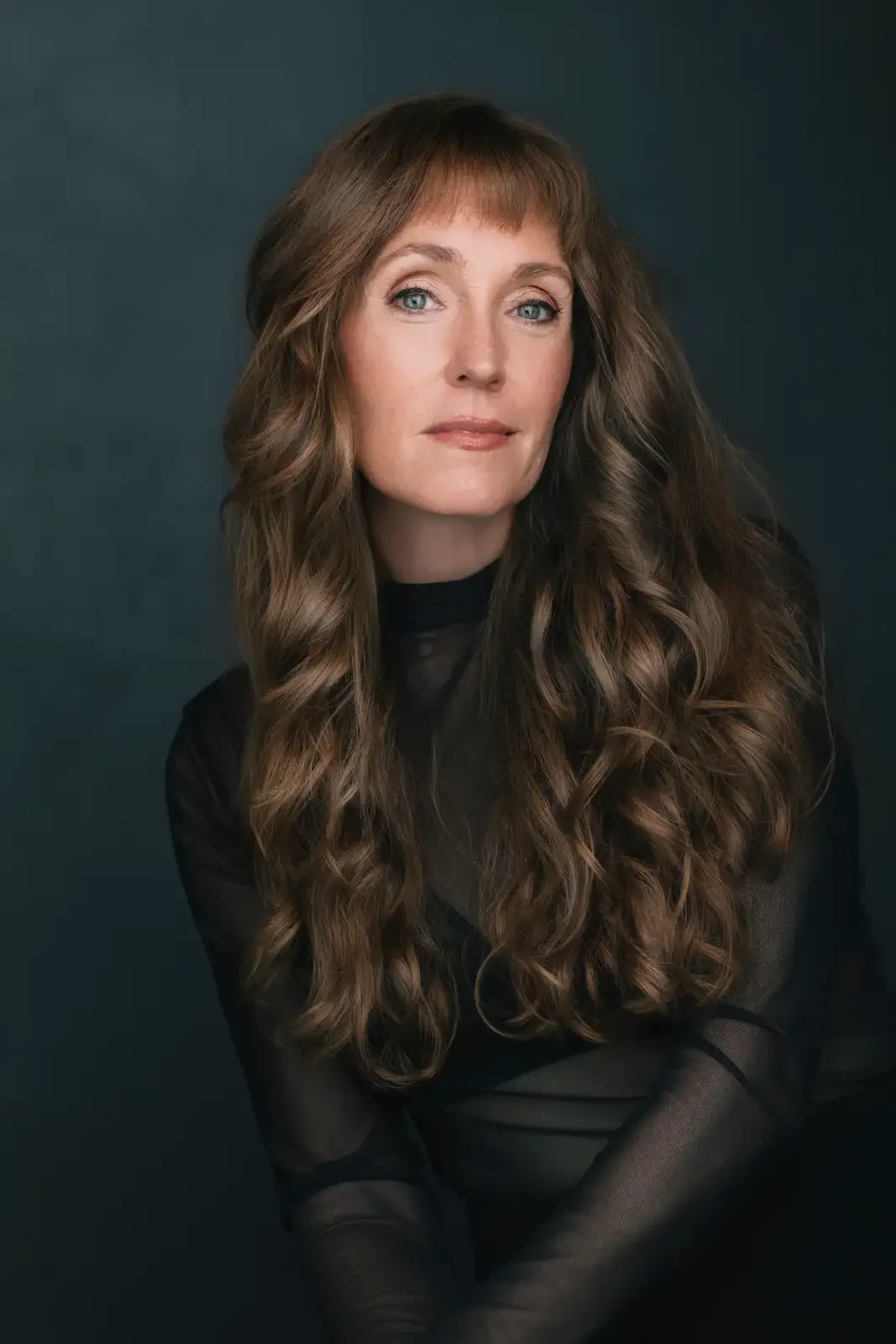
Jenn Bamberry is a Canadian theatre artist and producer, and the co-founder of YOUTHEATRE, a registered educational charity creating original, socially relevant theatre. Over the past five years, she has produced and performed in multiple productions, collaborating closely with young artists and communities across Canada. She is especially proud of building YOUTHEATRE alongside her husband and six children, blending creative practice with a family-led commitment to meaningful work.
Her screen experience spans script supervision, acting, and documentary work, from TV pilots to documentaries - including the Gwen Harry documentary. Across all mediums, Jenn is drawn to stories that spark reflection, inspire conversation, and strengthen connections within communities.
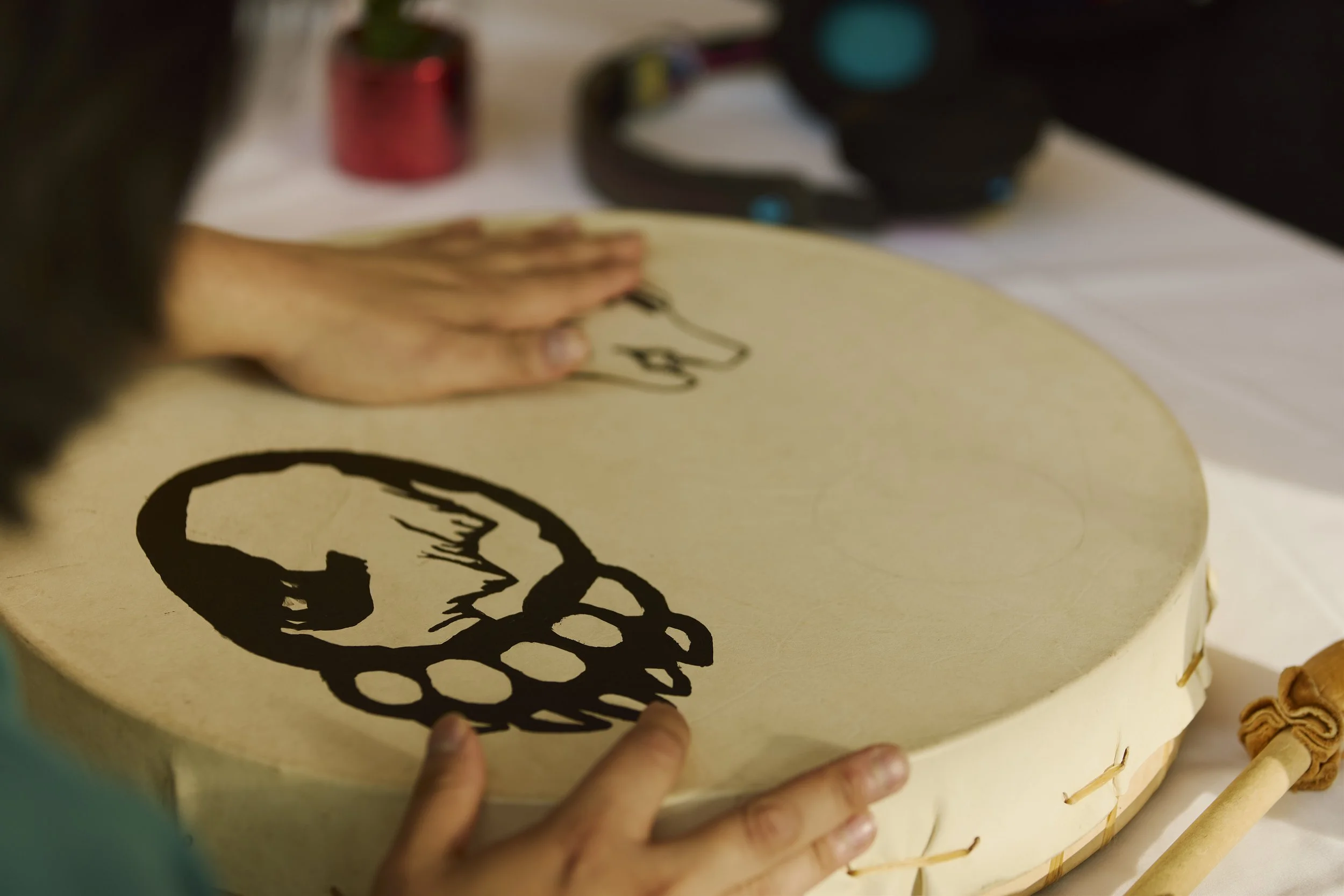
Director’s statement
This story began not as a film or a documentary, but a listening practice.
For Squamish, history is not an archived object or a closed chapter—it is active, and contested through every person, everyday. Gwen’s life and voice challenged the dominant Western impulse to treat history as something catalogued, and safely distant. In her stories, history breathes. It argues back. It refuses erasure.
Our crew entered this film with humility because we were embarking upon a sacred space, one requiring reverence and respect, not just for the Harry family but for Canadian Indigenous people at large.
The role of the camera here is not to extract, explain, or translate Gwen’s legacy into something more “accessible.” Instead, we bear witness. We slow down long enough to allow memory, ceremony, humor, pain, and strength to bring catharsis.
Any creative edge in this film comes from trusting family cadence over cinematic convention.
Seeds of Hope is intentionally provocative. It asks uncomfortable questions of the viewers. What does it mean to live on land whose stories are ongoing, unresolved, ignored? What responsibilities arise when history is not past, but present tense? And who gets to decide when a legacy is complete?
Gwen Harry and Seeds of Hope is not framed here as something to be memorialized, but as something still in motion. She is an elder, yes—but also a witness, a teacher, and a living counterpoint to systems that have attempted to silence Indigenous voices. This film does not claim to capture the totality of her life. It acknowledges, openly, that it cannot. What it can do is make space—space for listening, for discomfort, for recognition and inspiration.
As Seeds of Hope is seen by other humans around the world, my hope is not that audiences leave feeling informed, but perhaps unsettled in a productive way. That they leave understanding that history is not neutral, that legacy is not abstract, and that listening—true listening—is an active, sacred act of human experience.
Seeds of Hope is offered with gratitude to Gwen Harry and her wonderfully beautiful family, the Squamish Nation, and with the understanding that this story does not end when the credits roll. It continues wherever people are willing to listen.